Custom Orthotics and Braces
Orthotics:
Orthotics are devices worn inside the shoe to support the foot and change how it works when you stand and walk. They may be used as part of care for a range of foot and lower leg concerns.
At Northern Ontario Foot & Ankle Clinic, custom orthotics are prescribed only after an assessment by our podiatrist. They are one of several options that may be considered, and they aren’t right for everyone.
How our custom orthotics are made
If custom orthotics are recommended, our podiatrist takes a cast (a molded impression) of each foot. The casts and the podiatrist’s prescription are sent to an orthotic laboratory in Canada. There, a technician uses computer aided design to make orthotics shaped to each foot according to the prescription.
Choosing orthotics
Orthotics and shoe inserts are available from many sources and are made in different ways. If you’re considering orthotics, you’re welcome to ask our podiatrist about the options and which one may suit your needs. If you have insurance, check with your provider, because coverage requirements for orthotics vary from plan to plan.
When orthotics may be recommended
Our podiatrist may recommend custom orthotics as part of care for people with:
- Arch pain
- Heel pain, including plantar fasciitis
- Sports-related foot and ankle injuries
- Repeated ankle sprains
- General foot pain
- Walking pattern (gait) concerns
- Foot concerns related to diabetes
- Arthritis
- Bunions
Whether orthotics are suitable, and how much they help, varies from person to person.
Braces:
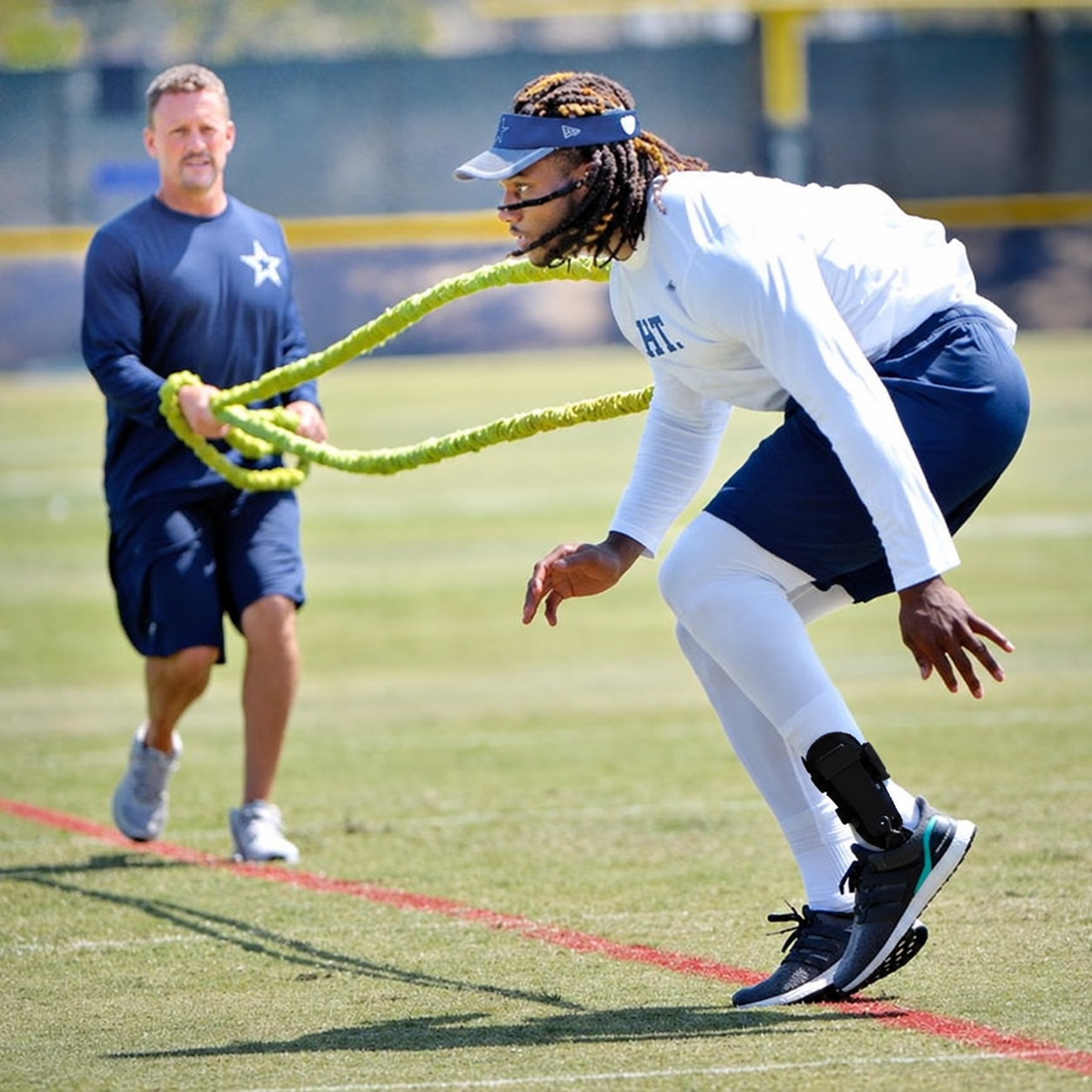
In some cases, more support beyond orthotics may be recommended for the foot and ankle. Braces may reduce strain on tendons, support joint position, and support movement during daily activities.
Ankle and foot braces come in different styles. Two common types are:
Functional ankle and foot braces, which are designed to support alignment and guide movement
Stabilizing ankle and foot braces, which are designed to limit unwanted movement and reduce pressure on strained or irritated areas
How bracing decisions are made
If bracing is appropriate, the choice is based on:
- Diagnosis and assessment findings
- How the foot and ankle move and function
- The level of support needed
- The patient’s goals and daily activities
Recommendations are made for each person after an assessment. A brace may be part of a broader treatment plan that can also include exercises, orthotics, or other care.
If you’d like to find out whether bracing may be right for you, please contact the clinic to book a foot and ankle assessment.